

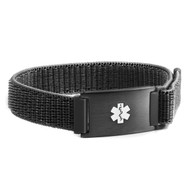
Should I Wear a Medical ID for Mitochondrial Disease?
Posted by Lori Torman on 10th Dec 2025
Yes, medical professionals and patient advocacy groups recommend that individuals with mitochondrial disease consider wearing a medical ID. The decision of whether it is appropriate depends on an individual's specific symptoms and medical history.
Why a Medical ID is Recommended
In an emergency, a medical ID speaks for you when you cannot. Mitochondrial disease is complex and often misdiagnosed, making it critical that first responders and medical personnel are immediately alerted to the condition. Specific reasons to wear one include:
- Preventing Misdiagnosis: Medical IDs help prevent misdiagnosis and potentially harmful drug interactions or treatments.
- Guiding Treatment: They can provide immediate access to specific clinical guidelines for managing mitochondrial patients during an acute crisis.
- Alerting to Precautions: The ID can alert medical staff to critical precautions, such as the need for dextrose-containing IV fluids during medical stressors and a list of medications to be avoided.
- Providing Key Information: The ID can include essential information like your name, emergency contacts (ICE), and your doctor's phone number.
What to Include on Your Medical ID
Instead of just engraving "mitochondrial disease," it is often better to list specific, critical symptoms and management protocols that will directly affect emergency treatment.
- Diagnosis: "Mitochondrial Disease" or "Mito"
- Key Symptoms: List major issues like "cardiomyopathy," "seizures," or "ataxia".
- Medication Precautions: Mention any medications that should be avoided (e.g., "AVOID Valproic Acid, Aminoglycosides").
- Treatment Needs: Note important needs, such as "Need Dextrose IV for illness/surgery" to prevent prolonged fasting and catabolism.
- Emergency Contact: Include an "In Case of Emergency" (ICE) contact and potentially your specialist's contact information.
- Care Plan: Mention that a detailed emergency care plan is available (many IDs offer QR codes or online profiles for this).
Next Steps
- Consult Your Doctor: Discuss with your doctor whether a medical ID is appropriate for your specific clinical symptomology and what information should be engraved.
- Carry an Emergency Plan: In addition to a medical ID, you should always carry a detailed emergency care plan or "protocol letter" from your doctor that outlines specific emergency steps.
- Purchase an ID: Explore options for medical alert bracelets, necklaces, or even wallet cards from organizations that provide custom engraving like StickyJ Medical ID.
For information purposes only. Always consult your doctor or a medical professional for medical advice or diagnosis.